Reducing Allergens in Your Eastern Shore Home: A Cleaning Guide
Kerley Papalia
Operations Manager
Reducing Allergens in Your Eastern Shore Home: A Cleaning Guide
Living on Maryland’s Eastern Shore comes with many benefits: beautiful waterways, a relaxed pace of life, and a strong sense of community. But it also comes with environmental factors that can wreak havoc on indoor air quality. The region’s humidity, abundant vegetation, and proximity to agricultural land mean that Salisbury homeowners face a year-round battle with allergens that find their way into every corner of the home.
If you or your family members suffer from allergies, asthma, or respiratory sensitivities, the right cleaning strategies can make a significant difference in your daily comfort and health.
Common Allergens in Eastern Shore Homes
Understanding what you are dealing with is the first step toward effective allergen management.
Pollen
The Eastern Shore’s rich natural environment produces pollen from trees, grasses, and weeds throughout much of the year. Spring brings tree pollen, summer brings grass pollen, and fall delivers ragweed and other weed pollens. These microscopic particles enter your home through open windows, on clothing, on pets, and even through small gaps in doors and window frames.
Dust Mites
Dust mites thrive in warm, humid environments, making Eastern Shore homes particularly hospitable. These microscopic creatures live in bedding, upholstered furniture, carpets, and any fabric surface. Their waste products are one of the most common indoor allergen triggers, causing sneezing, runny nose, itchy eyes, and worsened asthma symptoms.
Mold and Mildew
The Eastern Shore’s high humidity levels create ideal conditions for mold growth, especially in bathrooms, basements, and kitchens. Mold spores are a potent allergen and can cause serious health issues with prolonged exposure.
Pet Dander
For the many Salisbury families with dogs, cats, or other furry pets, dander is an ever-present allergen. Pet dander consists of tiny flakes of skin that become airborne and settle on surfaces throughout the home. Our guide to house cleaning for pet owners covers pet-specific cleaning strategies in depth.
Cleaning Strategies That Make a Real Difference
Vacuum Properly and Frequently
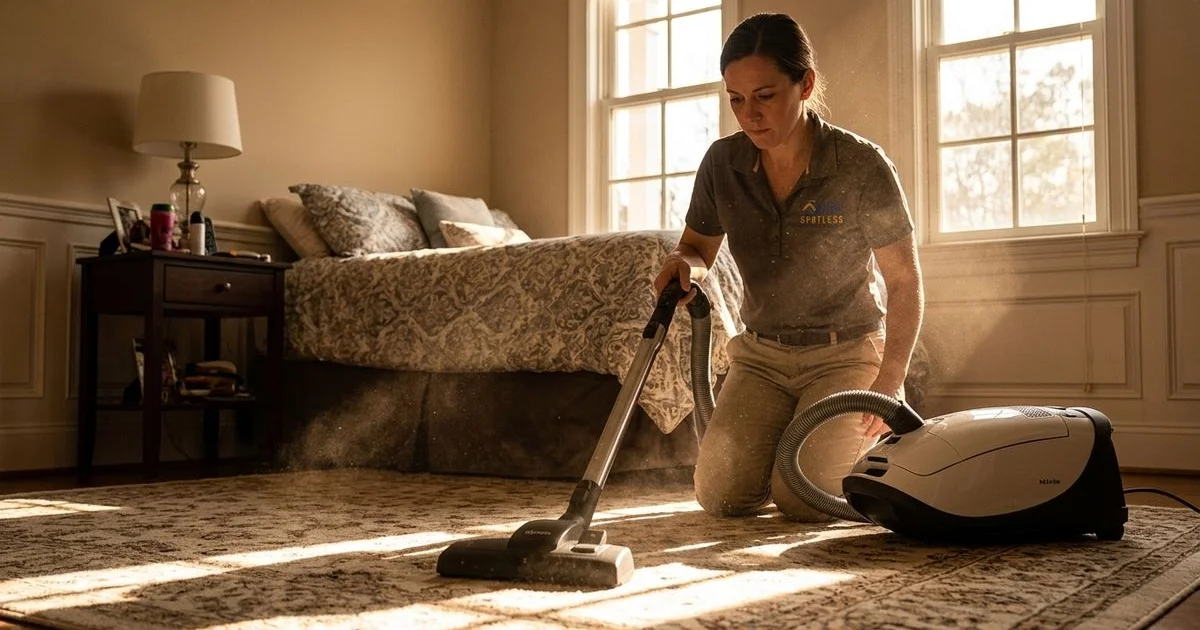
Not all vacuuming is created equal when it comes to allergen reduction. Standard vacuums can actually make things worse by stirring up dust and redistributing it into the air. The key is using a vacuum with a sealed HEPA filter system that traps particles as small as 0.3 microns.
Vacuum carpets, rugs, and upholstered furniture at least twice per week. Pay special attention to high-traffic areas and spots where dust accumulates, including under furniture, along baseboards, and in corners. If you have carpeted bedrooms, daily vacuuming during peak pollen season can noticeably reduce nighttime allergy symptoms.
Control Humidity
Dust mites and mold both thrive in humidity above 50 percent. During the Eastern Shore’s humid months, a dehumidifier is one of the most effective tools you can invest in. Aim to keep indoor humidity between 30 and 50 percent. Use exhaust fans in bathrooms during and after showers, and make sure your dryer vents to the outside rather than into a laundry room.
Focus on the Bedroom
You spend roughly a third of your life in the bedroom, making it the most important room for allergen management.
- Encase mattresses and pillows in allergen-proof covers
- Wash all bedding weekly in hot water, at least 130 degrees Fahrenheit, to kill dust mites
- Replace pillows every one to two years
- Remove or minimize carpet in bedrooms if possible
- Keep pets out of bedrooms, as difficult as that may be
- Dust all bedroom surfaces with a damp cloth rather than a dry duster, which just moves allergens around
Address Bathrooms and Moisture-Prone Areas
Mold prevention in bathrooms requires consistent effort.
- Clean bathroom surfaces weekly with mold-inhibiting products
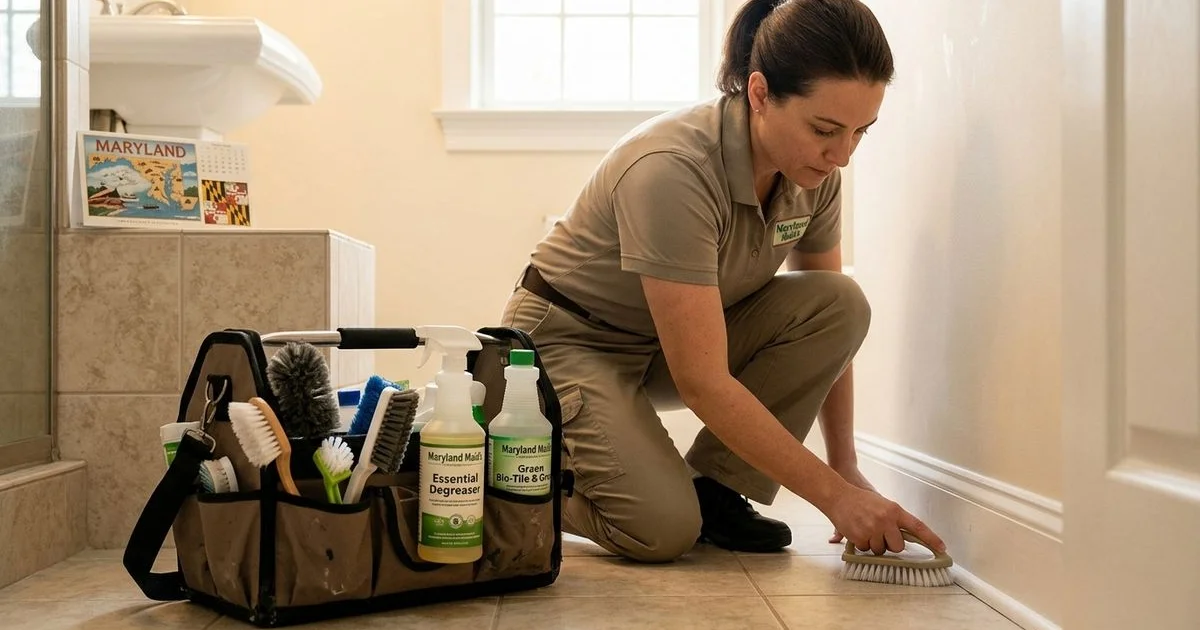
- Scrub grout lines regularly, as mold embeds itself in porous grout
- Run the exhaust fan during showers and for at least 20 minutes afterward
- Fix any leaks promptly, even small ones
- Check under sinks regularly for signs of moisture or mold growth
- Replace caulking that shows signs of mold or deterioration
Our sanitizing and disinfecting service provides professional-grade treatment for homes where mold or bacteria are a particular concern.
Manage Air Quality
- Change HVAC filters every one to three months, using filters rated MERV 11 or higher for allergen capture
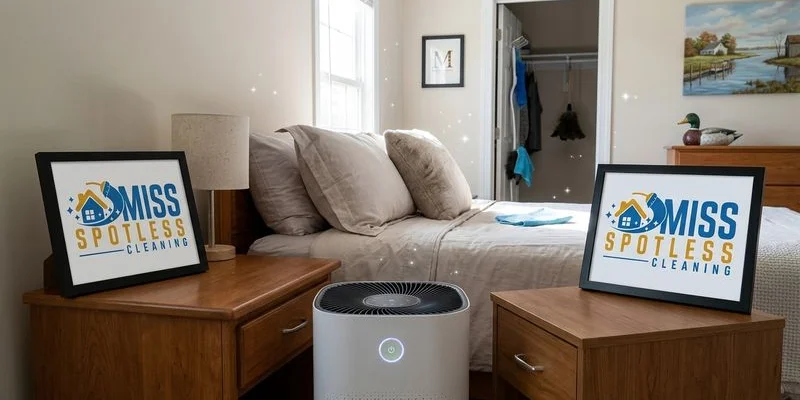
- Consider adding an air purifier with a HEPA filter to bedrooms and main living areas
- Clean air ducts periodically to remove accumulated dust and debris
- Keep windows closed during high pollen count days, even though the Eastern Shore breeze is tempting
Clean Surfaces the Right Way
When dusting and wiping surfaces, technique matters for allergen control.
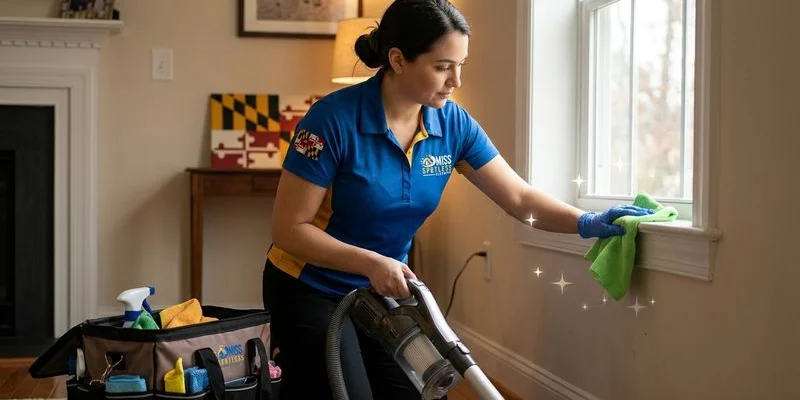
- Use damp microfiber cloths instead of feather dusters or dry rags. Microfiber captures and holds particles rather than scattering them.
- Work from top to bottom so falling dust lands on surfaces you have not cleaned yet
- Do not forget overlooked surfaces: ceiling fan blades, top of door frames, window blinds, and lampshades all collect significant allergens
- Clean hard floors with a damp mop rather than a dry broom
Seasonal Allergen Calendar for the Eastern Shore
Knowing when specific allergens peak helps you prepare and intensify your cleaning routine accordingly.
Spring (March through May): Tree pollen is the primary concern. Oak, maple, and birch trees on the Eastern Shore produce heavy pollen loads. Consider scheduling a professional deep cleaning in early spring to remove winter dust buildup before pollen season compounds the problem.
Summer (June through August): Grass pollen peaks, and humidity creates ideal conditions for dust mites and mold. This is when humidity control is most critical.
Fall (September through November): Ragweed pollen dominates, and decaying leaves can increase outdoor mold spores. Keep windows closed on high-count days and clean entry points where debris gets tracked in.
Winter (December through February): Indoor allergens like dust mites and pet dander become more concentrated as homes are sealed up and ventilation decreases. Regular cleaning and good air filtration are your best defenses.
When Professional Help Makes the Biggest Impact
While daily maintenance and smart habits go a long way, there are situations where professional cleaning provides allergen reduction that DIY efforts simply cannot match.
Professional cleaning teams use commercial HEPA vacuums that are significantly more powerful than consumer models. They employ systematic approaches that ensure no surface is overlooked. And they use products formulated to neutralize allergens rather than simply relocate them.
A periodic professional deep cleaning combined with regular house cleaning visits creates a comprehensive allergen management system for your home. Many families in Salisbury and surrounding areas with allergy sufferers find this combination dramatically improves their quality of life, especially during the Eastern Shore’s most challenging allergy seasons.
Allergies do not have to diminish your enjoyment of life on the Eastern Shore. With the right cleaning strategies, products, and professional support, you can maintain a home that is a true refuge from the allergens outside your door.
Explore our green cleaning services for allergen reduction using eco-friendly, non-toxic products that are safe for your family and pets.
Need Professional Cleaning Help?
Get a free, no-obligation quote from Miss Spotless Cleaning. We serve Salisbury, MD and the Eastern Shore.
Get a Free Quote